
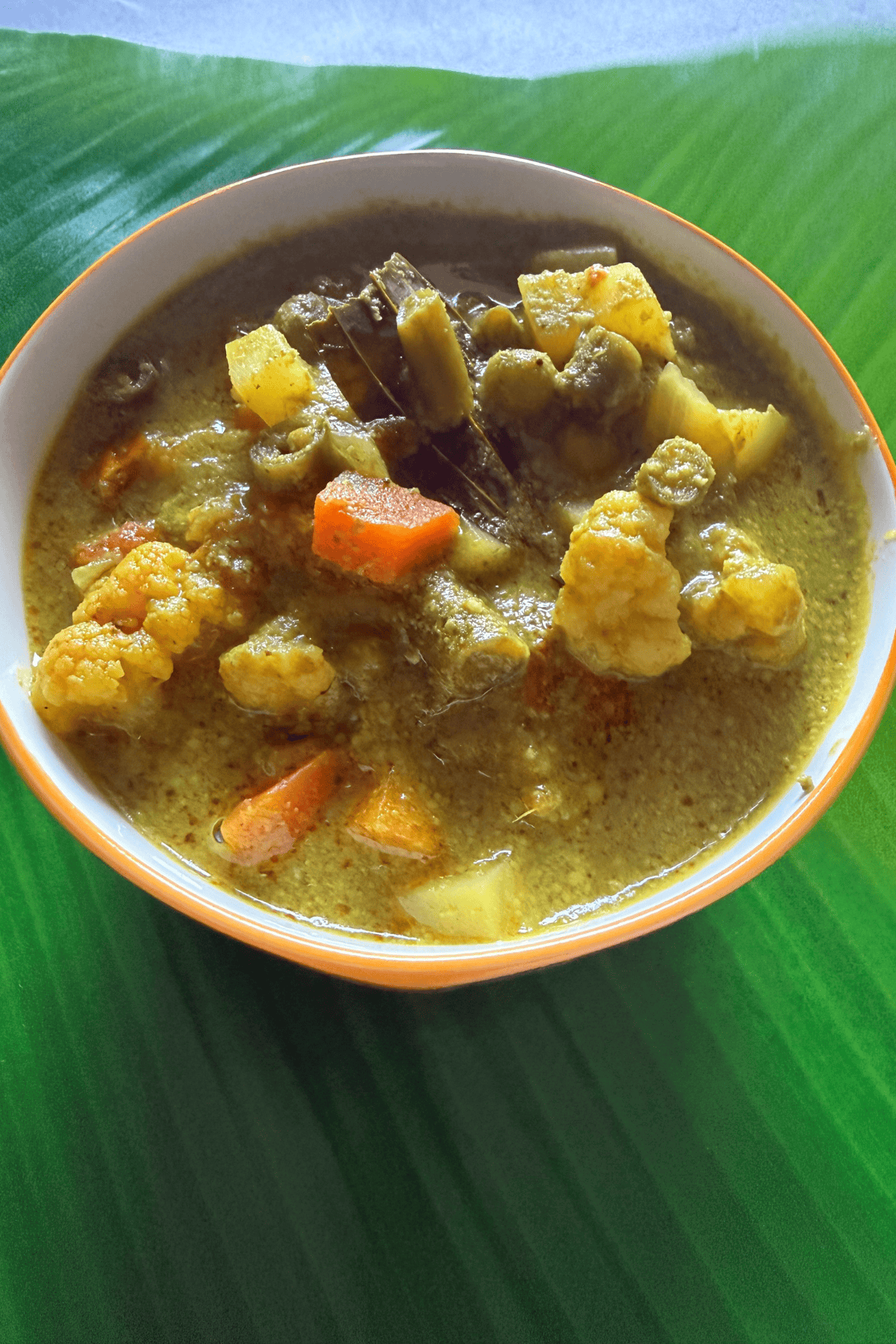
Nilgiri Vegetable Kurma is a flavourful South Indian curry that originates from the place, “Nilgiris Hills”. It is a creamy and aromatic vegetable curry made with a special green masala paste consisting of fresh herbs like coriander and mint, along with coconut, green chilies, and spices. This green masala gives the kurma its signature vibrant colour and refreshing taste. Serve it with Ghee Rice, Rotis or Pulao for the best experience.
Jump to:
Traditionally, mixed vegetables such as carrots, beans, potatoes, peas, and cauliflower are simmered in this rich, coconut-based gravy. The dish is known for its hotel-style richness combined with fresh, herby flavors, making it a perfect accompaniment for parottas, dosas, idiyappams, or chapatis. If you love such vegetable sabzis, try my
Veg Jalfrezi recipe as well.
Nilgiri Kurma stands out from regular kurmas because of its unique green colour and the use of fresh herbs, giving it a fresh yet creamy texture and taste that evokes the lush greenery of the Nilgiris region.
Why you’ll love this Nilgiri Veg Kurma
Rich, fresh flavour. The green masala paste gives it a refreshing flavor that’s both earthy and creamy. The blend of coconut, mint, and coriander makes the South Indian Nilgiri kurma recipe taste absolutely delightful.
Wholesome and nutritious. This vegetable kurma in nilgiris style is loaded with carrots, beans, potatoes, peas, and cauliflower – making it a healthy and colourful dish.
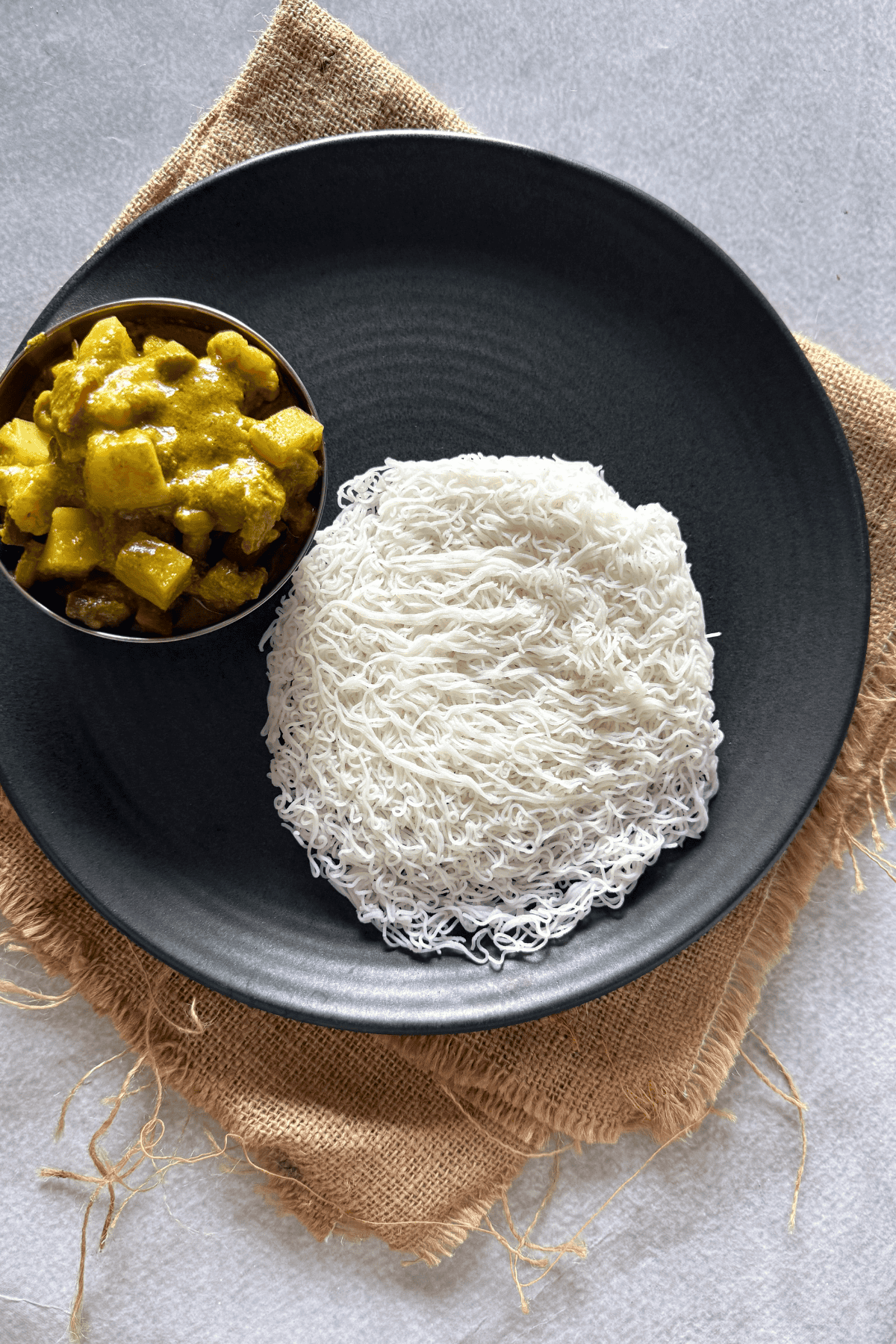
Versatile pairing. Nilgiris Veg Kurma tastes fantastic with chapati, parotta, pulao, idiyappam, dosa, idli or even plain rice.
Restaurant-style at home. You get that hotel-style aroma and flavor using simple ingredients that are mostly available at home.
Beginner-friendly. The steps are straightforward, and the ingredients are easy to find, so anyone can make it, even if you’re new to cooking.
How to make Nilgiris Vegetable Kurma
Wash, peel, and chop all the vegetables into medium-sized cubes. Keep them ready. You can use a mix of your favorite vegetables, but traditionally carrot, beans, potato, peas, and cauliflower are used for this dish. While you are prepping the vegetables, soak cashews in warm water for 10 minutes.
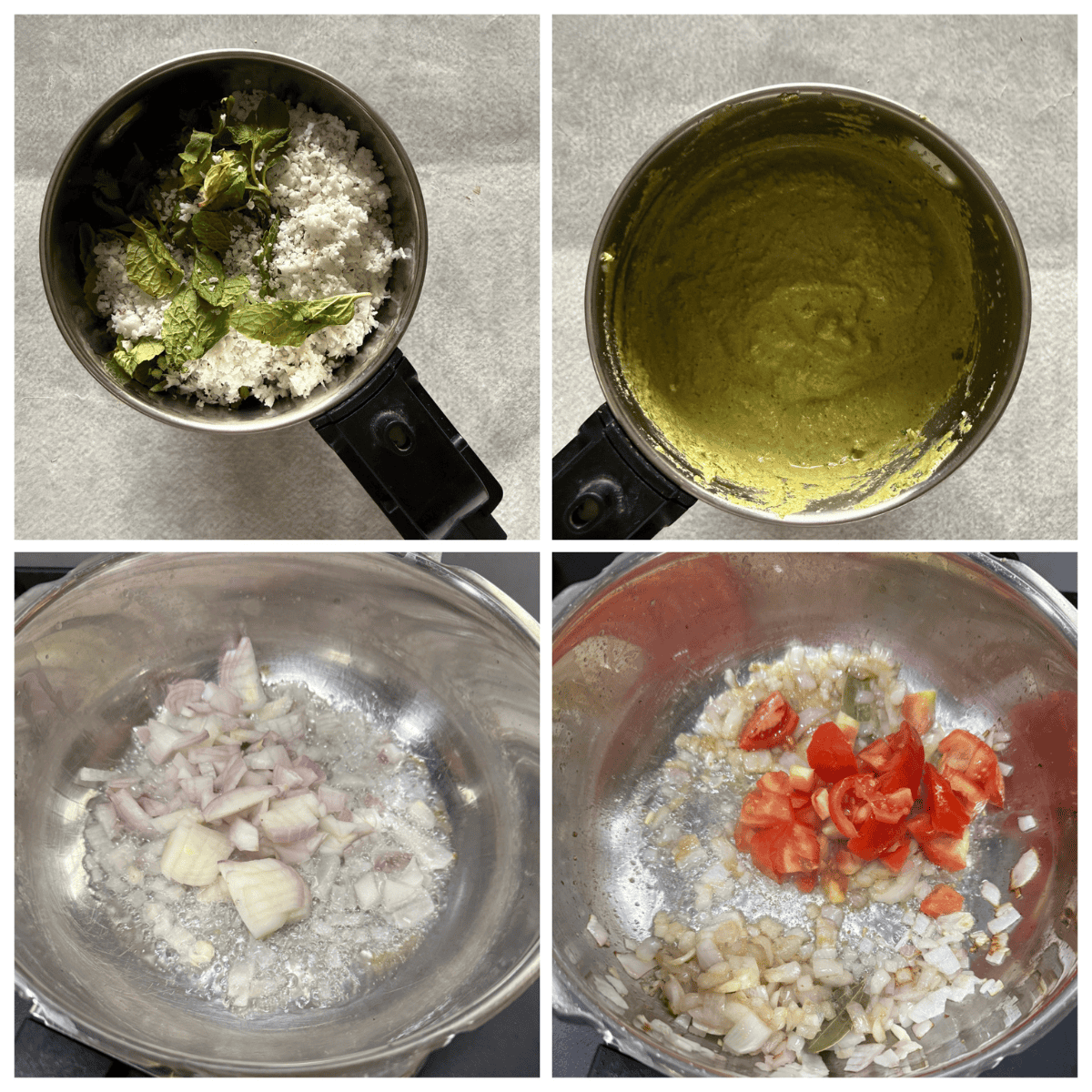
In a blender, add cinnamon stick, cloves, cardamom, grated coconut, green chilies, coriander leaves, mint leaves, fennel seeds, cashews, and a little water. Grind to a smooth paste. The texture should be thick and creamy — this paste is what gives the kurma its beautiful green color and unique flavour.
Heat oil in a pressure cooker. Add the bay leaf. Once it splutters, add the sliced onions and sauté them till they turn soft and light golden. Add ginger garlic paste and cook till the raw smell disappears. Add chopped tomatoes and cook until they turn mushy.
Next, add the chopped vegetables and mix gently. Add salt, turmeric powder, red chilli powder, and coriander powder. Give a gentle mix to the vegetables.
Add water and cook for a whistle.
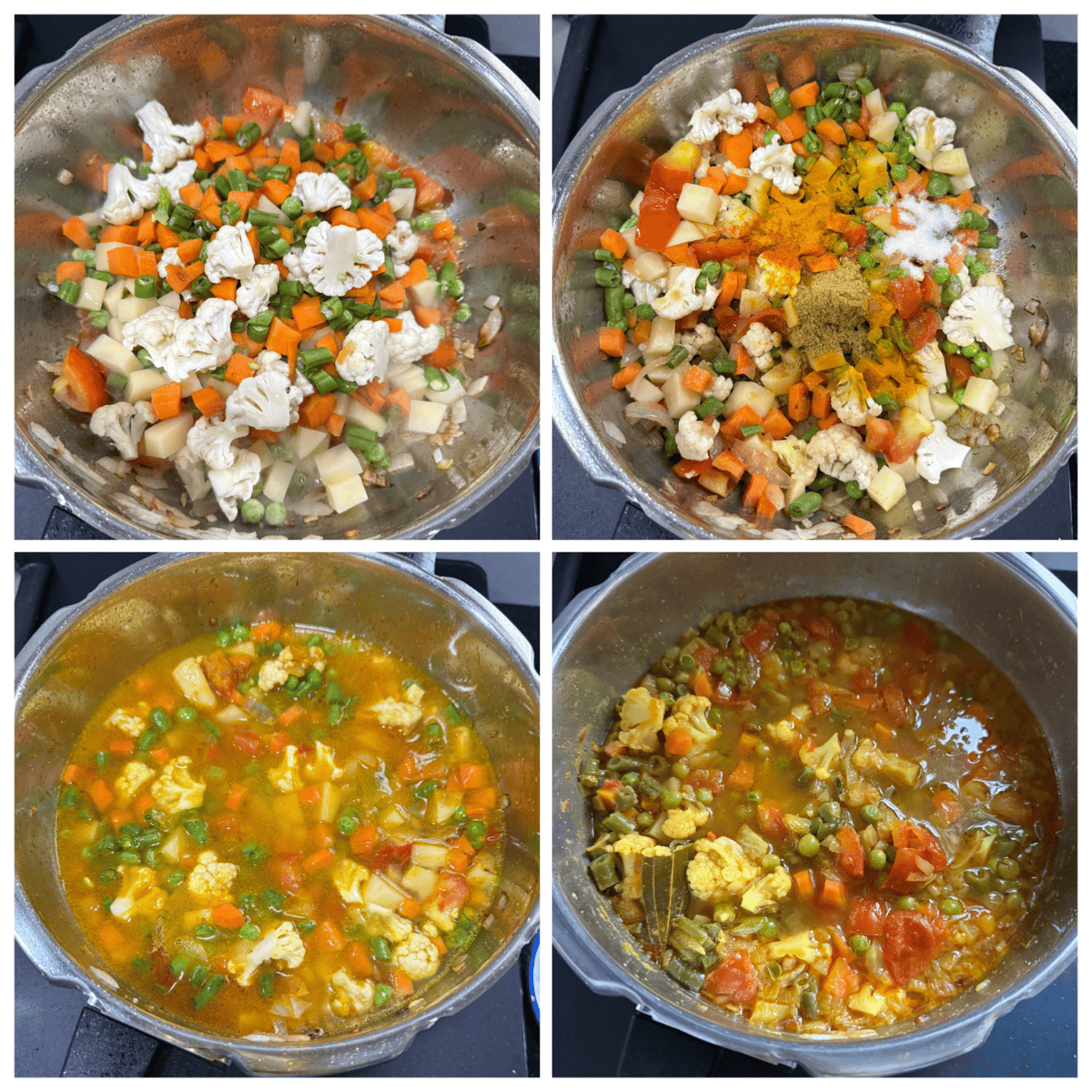
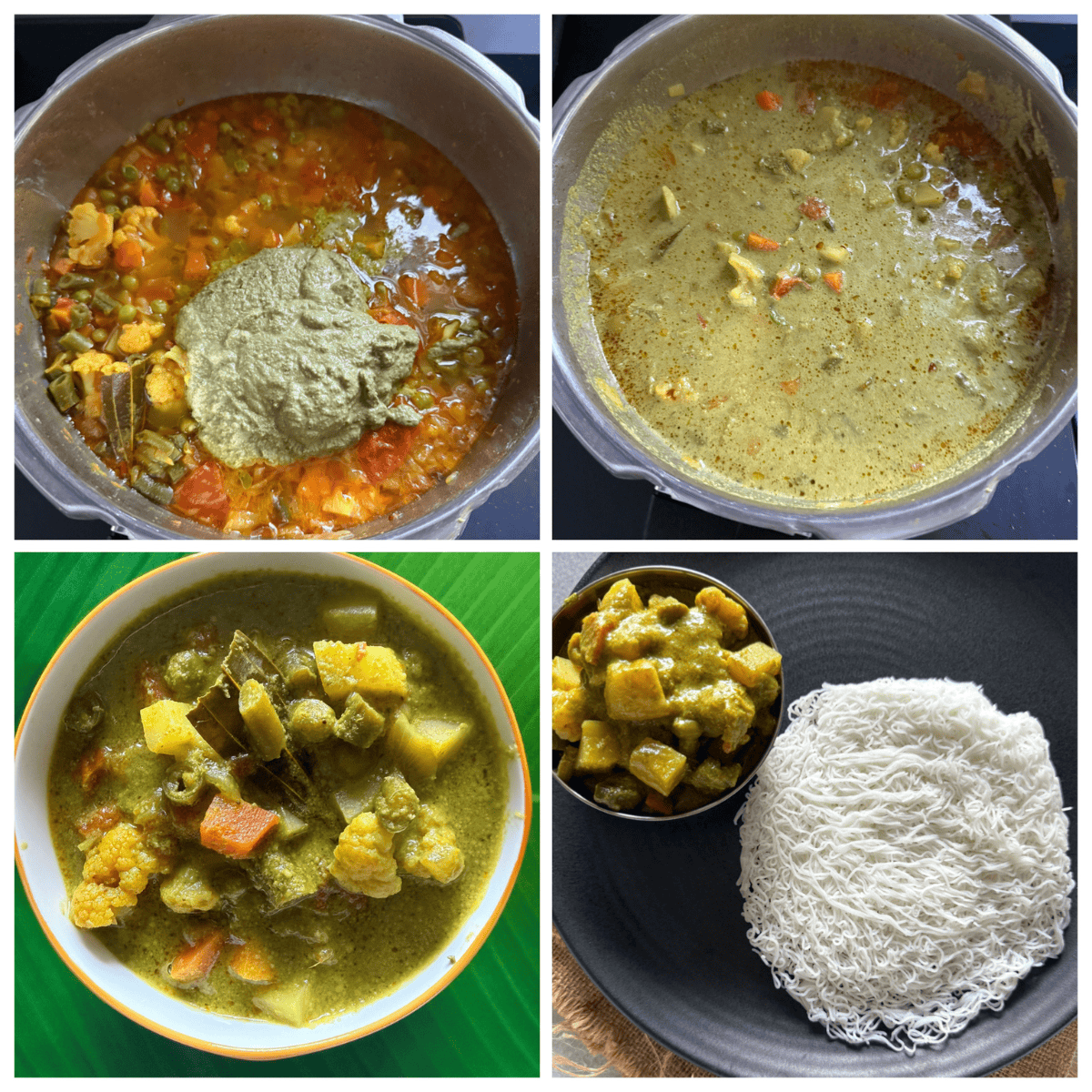
Once the pressure settles down, add the ground paste. Cook it on a medium flame for about 4–5 minutes. You’ll notice the oil separating from the sides – that’s when the masala is perfectly cooked, and the raw smell disappears.
Adjust salt and consistency. If you prefer a thicker kurma, simmer it uncovered for a few more minutes. If it’s too thick, add a little more water. Turn off the heat once everything comes together beautifully. Garnish with a few fresh coriander leaves.
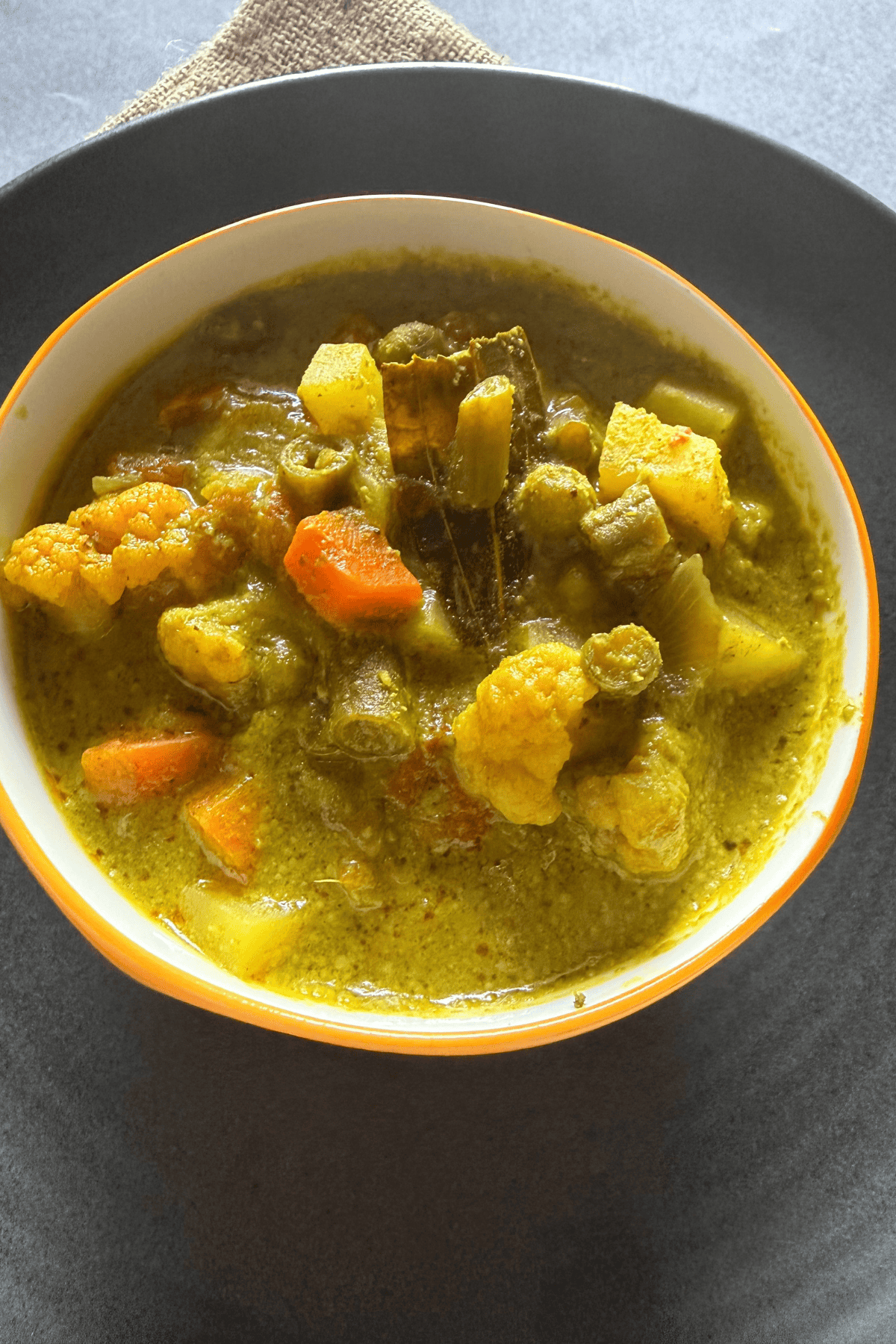
Your hot, aromatic Nilgiris Vegetable Kurma is ready to serve!
Serving Suggestions
Serve it hot with soft chapatis / rotis or wheat parottas for a comforting weekday dinner.
Pair the green veg kurma it with appam or idiyappam for a classic South Indian breakfast or brunch.
The mixed veg green kurma goes beautifully with ghee rice, jeera rice, or even simple steamed rice.
Try it with set dosa or kal dosa for a restaurant-style tiffin experience.
For a festive meal, serve it alongside vegetable pulao, papad, and a simple salad.
Tips top make the Best Nilgiris Veg Kurma
Use fresh herbs. Always use fresh mint and coriander leaves to get the best flavor and colour in your kurma.
Cook the masala well. Don’t skip sautéing the ground paste until the raw smell disappears – this step is crucial for a flavorful curry.
Control spice levels. The number of green chilies can be adjusted based on your taste.
Don’t overcook the vegetables. The vegetables should be soft but hold their shape. Overcooking makes the curry mushy.
Use coconut oil for authentic flavor. Coconut oil adds that signature South Indian aroma to the kurma.
Frequently asked questions
Nilgiris Kurma has a distinctive green color and fresh flavor from mint and coriander leaves. Regular kurma usually has a yellowish or orange gravy made with turmeric and red chili powder.
It’s mildly spiced, with most of the heat coming from green chilies. You can adjust the spice level easily based on your taste.
Yes, it’s already vegan. The recipe doesn’t use any dairy products, and coconut oil or vegetable oil works perfectly.
Yes, you can skip them if you don’t have them, but they help add body and creaminess to the gravy. Poppy seeds can be used instead.
Other recipes you may like


Follow me on
If you tried this Nilgiris Vegetable Kurma or any other recipe on my blog, please leave a 🌟 star rating and tell me how it went in the 📝 comments below. Thanks for visiting CakeworkOrange!
Recipe Card
Nilgiris Vegetable Kurma

Ingredients
For the green masala paste
- ½ cup Coriander leaves
- ¼ cup Mint Leaves
- 3 Green Chillies
- ½ cup Coconut
- 1 teaspoon Fennel Seeds
- 10 Cashew Nuts
- 1 inch Cinnamon
- 2 Cardamom
- 2 Clove
- Water as needed, to make the paste
For the Kurma
- 2 tablespoon Oil
- 1 Bay Leaf
- 1 large Onion thinly sliced
- 2 teaspoon Ginger garlic paste
- 1 medium Tomato chopped
- 4 cups Mixed Vegetables I used green peas, cauliflower, beans, carrot and potato
- Salt as needed
- 2 cups Water
- ½ teaspoon Chilli Powder
- ½ teaspoon Turmeric Powder
- 1 teaspoon Coriander Powder
Instructions
- Wash, peel, and chop all the vegetables into medium-sized cubes. Keep them ready. You can use a mix of your favorite vegetables, but traditionally carrot, beans, potato, peas, and cauliflower are used for this dish.
- While you are prepping the vegetables, soak cashews in warm water for 10 minutes.
- In a blender, add cinnamon stick, cloves, cardamom, grated coconut, green chilies, coriander leaves, mint leaves, fennel seeds, cashews, and a little water. Grind to a smooth paste.
- The texture should be thick and creamy — this paste is what gives the kurma its beautiful green colour and unique flavour.
- Heat oil in a pressure cooker. Add the bay leaf. Once it splutters, add the sliced onions and sauté them till they turn soft and light golden. Add ginger garlic paste and cook till the raw smell disappears.
- Add chopped tomatoes. Cook until they turn mushy.
- Add the chopped vegetables and mix gently. Add salt, turmeric powder, red chilli powder, and coriander powder. Give a gentle mix to the vegetables.
- Add water and cook for 1 whistle. Once the pressure settles down, add the ground paste.
- Cook it on a medium flame for about 4–5 minutes. You’ll notice the oil separating from the sides – that’s when the masala is perfectly cooked, and the raw smell disappears.
- Adjust salt and consistency. If you prefer a thicker kurma, simmer it uncovered for a few more minutes. If it’s too thick, add a little more water.
- Turn off the heat once everything comes together beautifully. Garnish with a few fresh coriander leaves.
- Your hot, aromatic Nilgiris Vegetable Kurma is ready to serve!